
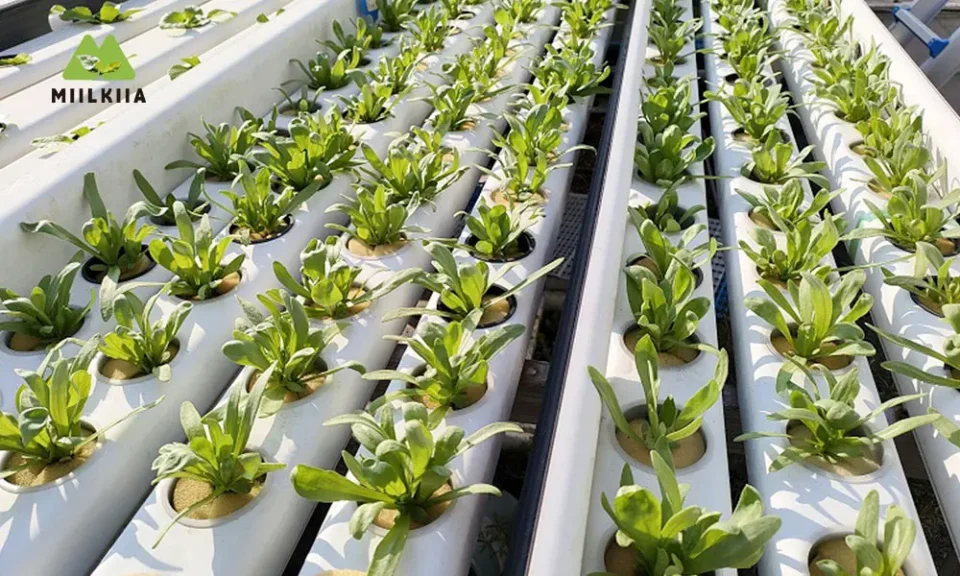
As food choices and farming methods continue to evolve, many people in India are becoming curious about how their vegetables are grown. Alongside traditional fields and kitchen gardens, a newer method called hydroponics is gaining attention. You may have seen leafy greens grown in trays, pipes, or vertical setups instead of soil. This raises an important question: how do hydroponic plants compare with soil-grown plants?
Both methods aim to grow healthy food, but they follow very different paths. Understanding these differences can help consumers, gardeners, and even farmers make informed choices about what suits their needs best.
What Are Hydroponic Plants?
Hydroponic plants are grown without soil. Instead of drawing nutrients from the earth, their roots are placed in water that contains carefully balanced nutrients. This method is known as hydroponics and is often used to grow leafy greens, herbs, and certain vegetables.
In hydroponic farming, plants receive exactly what they need: water, nutrients, oxygen, and light. This is done without competing with weeds or soil-borne pests. Because of this controlled environment, plants often grow faster and more evenly.
A common example is a hydroponic vegetable like lettuce or spinach grown indoors or in greenhouses, where temperature and light are managed carefully.
Key Differences Between Hydroponic and Soil-Grown Plants
Growing Medium
The biggest difference lies in the growing medium. Hydroponic plants grow in water, while soil-grown plants depend on the earth. In hydroponics, nutrients are dissolved in water and delivered directly to the roots. In soil, nutrients are released slowly as organic matter breaks down.
This direct feeding system in hydroponics allows precise control, while soil farming depends more on natural processes.
Water Usage
Water efficiency is a major advantage of hydroponics. Hydroponic farming uses significantly less water compared to traditional soil farming because water is recycled within the system. This makes it suitable for areas facing water scarcity.
Soil-grown plants, especially in open fields, lose water through evaporation and runoff. In a country like India, where water availability varies by region, this difference is important.
Growth Speed and Yield
Hydroponic plants usually grow faster because nutrients are always available in the right amounts. This can lead to quicker harvests and higher yields in smaller spaces.
Soil-grown plants grow at a natural pace. Their growth depends on soil quality, weather, and seasonal changes. While yields may be lower, many people value the natural growth cycle.
Space and Location
Hydroponics allows plants to be grown in compact spaces, including rooftops, balconies, and indoor setups. Vertical systems make it possible to grow more food in less space, which is useful in urban environments.
Soil farming requires open land and is often limited to rural areas. It depends on suitable soil conditions, which are not always available everywhere.
Pest and Disease Control
Since hydroponic systems are controlled and often indoor, the risk of soil-borne diseases and pests is lower. This reduces the need for pesticides.
Soil-grown plants are more exposed to insects, weeds, and diseases. In organic farming, natural methods are used to manage these challenges, but it still requires careful monitoring.
Nutritional Value and Taste
Many people wonder whether hydroponic vegetables are as nutritious as soil-grown ones. The truth is that nutrition depends on how well the plants are fed. Hydroponic systems can provide balanced nutrients, resulting in healthy produce.
Soil-grown plants benefit from natural microorganisms in the soil, which some believe enhance flavour and nutritional complexity. Taste often depends on the crop, growing conditions, and freshness rather than the method alone.
Environmental Impact
Hydroponics reduces land use and water consumption, making it environmentally efficient in many ways. However, it may require electricity for pumps and lighting, especially in indoor setups.
Soil-based farming, when done responsibly through organic farming practices, supports biodiversity, improves soil health, and maintains ecological balance. Both methods have environmental benefits when managed thoughtfully.
Cost and Accessibility
Setting up hydroponic systems can be expensive initially due to equipment and technology. It also requires technical knowledge to manage nutrient levels and systems properly.
Soil farming is more accessible for small farmers and home gardeners. With traditional knowledge and natural inputs, it remains affordable and practical for many Indian households.
Choosing What Fits Your Lifestyle
Deciding between hydroponic plants and soil-grown plants depends on your priorities. If space is limited and water conservation is important, hydroponics can be a smart choice. If you value traditional practices and enjoy working with the soil, soil-grown plants may feel more satisfying.
Both methods can coexist and contribute to food security, especially as India balances urban growth with agricultural sustainability.
Growing Smarter for Tomorrow
As food demands increase and environmental challenges grow, both hydroponic farming and soil-based organic farming offer valuable solutions. One focuses on efficiency and control, the other on tradition and natural balance. By understanding how these systems work, individuals and communities can support smarter, more sustainable ways of growing food.
