
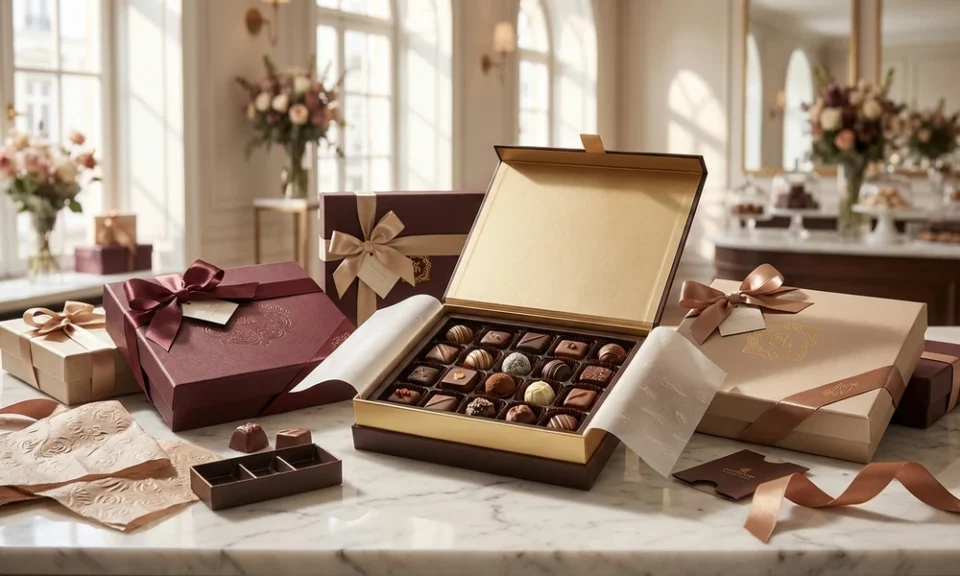
Chocolate is one of those foods where packaging matters almost as much as the product itself. A well-made chocolate may have a smooth texture, carefully balanced flavor, and attractive decoration, but poor packaging can quickly reduce its appeal. Heat, moisture, odors, movement, and even the way the product is presented can influence how consumers experience chocolate.
For chocolate brands, bakeries, confectionery shops, and gift businesses, packaging therefore serves several purposes at the same time. It protects the product, supports freshness, improves presentation, and helps turn a simple chocolate purchase into a more memorable gifting experience.
Packaging Helps Protect Chocolate Freshness
Chocolate is sensitive to its environment. Temperature changes, humidity, light, and exposure to strong odors can all affect its appearance and quality.
One common problem is chocolate bloom. Fat bloom may appear when chocolate is exposed to unsuitable temperatures, while sugar bloom can develop when moisture reaches the surface. Although bloom does not always make chocolate unsafe to eat, it can create a pale or dusty appearance that reduces perceived quality.
Good packaging helps create a more stable environment around the product. Inner trays, wraps, liners, and outer boxes can reduce direct exposure to moisture, dust, and outside odors. Strong packaging also helps prevent chocolates from moving during transportation, which is especially important for filled chocolates, pralines, and decorated pieces.
A rigid chocolate box is often used for premium chocolate products because its sturdy structure provides greater protection than lightweight folding cartons. It can help reduce crushing and movement while also supporting a more refined presentation.
Key Packaging Factors That Affect Chocolate Quality
| Packaging Factor | Why It Matters | Possible Benefit |
| Moisture protection | Chocolate reacts poorly to humidity | Helps reduce surface damage |
| Structural strength | Chocolates can crack or shift in transit | Improves physical protection |
| Inner trays | Keeps individual pieces separated | Maintains shape and arrangement |
| Odor protection | Chocolate can absorb surrounding smells | Helps preserve flavor |
| Light protection | Excessive exposure may affect quality | Supports better storage conditions |
| Secure closure | Prevents the box from opening accidentally | Improves transport reliability |
Packaging cannot replace correct temperature control, but it can provide an important additional layer of protection.
Presentation Shapes the First Impression
People often judge chocolate before they taste it. The color of the box, texture of the paper, layout of the chocolates, and overall structure all contribute to the first impression.
Premium confectionery packaging is particularly important because chocolate is frequently purchased as a gift rather than simply as a snack. Consumers may associate thicker materials, clean construction, detailed finishes, and neatly arranged interiors with higher product quality.
This means the packaging should match the position of the chocolate itself. Everyday chocolate bars may only require simple wrapping or cartons, while handmade truffles or luxury pralines usually benefit from more structured packaging.
Design elements can include:
- Embossing or debossing
- Foil stamping
- Textured paper
- Window details
- Custom inserts
- Magnetic closures
- Ribbon pulls
- Printed brand stories
The objective is not to make the packaging unnecessarily complicated. Good packaging should make the chocolate feel special without distracting from the food itself.
Packaging Can Improve the Gifting Experience
Chocolate is closely connected with birthdays, weddings, anniversaries, holidays, corporate events, and seasonal celebrations. In these situations, packaging becomes part of the gift.
The opening process itself can create anticipation. A sturdy lid, clean interior layout, and carefully arranged chocolate pieces make the recipient feel that more attention has gone into the product.
This is one reason structured gift packaging is common in the confectionery market. A two piece rigid box, for example, uses a separate lid and base, creating a traditional opening experience that works well for chocolate assortments, truffles, and seasonal gift collections.
The format is simple, but it provides several advantages. It allows chocolates to be presented in organized rows, supports decorative inserts, and gives brands enough surface area for logos, patterns, or special-edition designs.
Different Chocolate Products Need Different Packaging
There is no single packaging format that works for every type of chocolate.
Chocolate bars, pralines, truffles, bonbons, coated nuts, and filled chocolates all have different requirements. A flat chocolate bar may only need a sleeve and protective inner wrap, while delicate handmade chocolates often require individual cavities or inserts to prevent movement.
Brands should therefore consider:
- Chocolate size and shape
- Number of pieces per box
- Product fragility
- Storage conditions
- Shipping distance
- Retail display requirements
- Gifting occasion
- Target price level
Packaging should be selected around the actual product rather than simply following visual trends.
Sustainability Is Becoming Part of Packaging Decisions
Consumers increasingly pay attention to the amount and type of packaging used around food products. This creates a challenge for premium chocolate brands, which must balance presentation with material efficiency.
Using recyclable paper-based materials, reducing unnecessary plastic, choosing correctly sized boxes, and designing reusable packaging can all help improve sustainability.
A high-quality chocolate box may also be reused for small personal items, which can extend its useful life beyond the original product.
Final Thoughts
Chocolate packaging does much more than hold the product. It helps protect delicate pieces, supports freshness, improves visual presentation, and strengthens the emotional experience of giving and receiving chocolate.
For chocolate producers and confectionery brands, the best packaging decisions usually come from balancing four priorities: food protection, attractive presentation, practical transportation, and customer experience.
When these elements work together, packaging becomes part of the product rather than simply something that surrounds it.
