
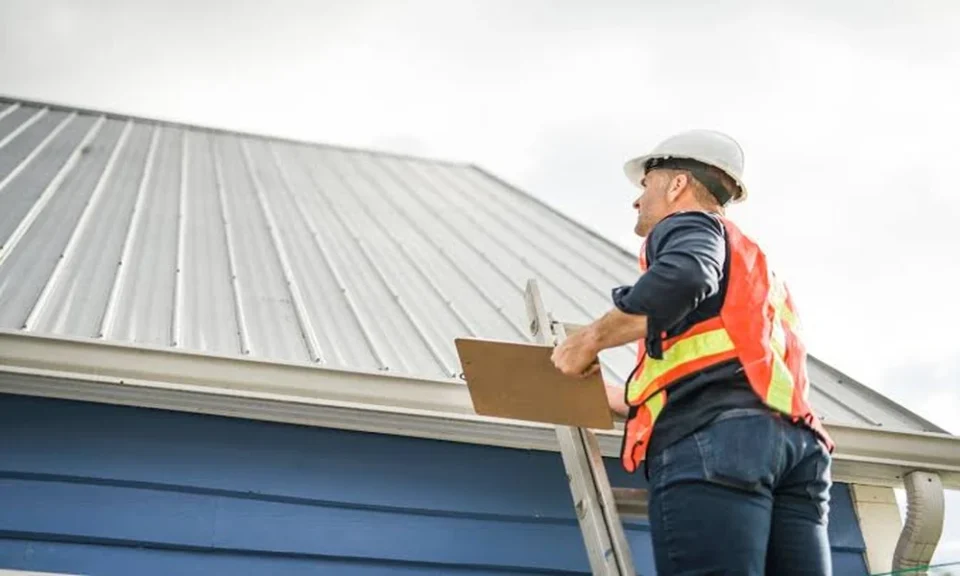
Subtle roof aging can be hard to read from the ground, especially when shingles still look mostly intact. Years of heat, wind, moisture, and repairs may affect different sections at different rates. Professional evaluation gives homeowners a clearer picture of what is simply weathered, what needs attention, and whether repair or roof replacement should enter the conversation.
Age on Paper Does Not Always Match the Roof’s Actual Condition
Installation dates provide useful background, but they cannot show how the roof has performed through storms, temperature swings, or years of sun exposure. Two roofs installed at the same time can age very differently depending on ventilation, slope, material quality, shade, and workmanship. Experienced Huntsville roofers evaluate those physical conditions instead of assuming a roof is worn out because of its age alone.
Uneven Wear Across Roof Slopes Can Be Easy to Misread
South- and west-facing sections usually absorb more afternoon heat, which may cause faster granule loss and asphalt drying. Shaded slopes can face a different problem because moisture may linger longer after rain, encouraging staining or deterioration around debris.
Comparing each roof plane helps identify whether aging is localized or widespread. Homeowners searching for roofing near me may discover that one section needs focused work while another still has years of useful service remaining.
What Do Curling and Brittle Shingles Really Indicate?
Curling edges often develop as shingles lose flexibility, but the underlying reason can vary. Heat buildup, old age, ventilation problems, poor installation, or repeated moisture exposure may all contribute to a similar appearance.
Brittleness matters because repairs become harder once neighboring shingles crack when lifted. A roof repair company can test surrounding materials carefully and determine whether targeted Huntsville roof repair is still practical without damaging healthy sections.
Granule Loss Tells More Than a Color Story
Protective granules gradually loosen as shingles age, leaving areas that may look faded or patchy. Light shedding does not automatically mean failure, but bald spots exposing the asphalt layer deserve closer attention because ultraviolet light can speed up drying and cracking.
Gutter debris sometimes provides an early clue. Large amounts of granules appearing repeatedly after storms may suggest accelerated wear, which helps a roof company judge whether the surface is changing faster than expected.
Previous Repairs Can Hide the Roof’s True Aging Pattern
Older patches make roof condition harder to judge because repaired sections may age differently from original materials. Replacement shingles can remain flexible while neighboring pieces become brittle, and heavy sealant may cover flashing details that need closer inspection.
Repeated service in the same area can also signal an unresolved problem beneath the visible surface. Contractors responding to roof repair near me searches may review repair history, attic evidence, and nearby drainage to determine whether the patch itself failed or the surrounding roofing has continued to deteriorate.
Attic Conditions Can Reveal Aging From Below
Decking, insulation, and fasteners often show changes before an exterior surface looks severely worn. Darkened wood, rusty nail tips, damp insulation, or excess attic heat may point to moisture or ventilation concerns that have been affecting the roofing system gradually.
Hidden evidence can change the recommendation. Limited damage may support a repair, while broader moisture exposure beneath aging shingles can make roof replacement worth comparing with continued maintenance.
Storm History Can Make a Roof Seem Older Than It Is
Wind and hail can accelerate wear even when the roof is not especially old. Broken adhesive seals, creased tabs, bruised shingles, and damaged ridge caps may leave the surface less resistant to later weather despite an otherwise reasonable installation age.
Local Huntsville roofers understand how repeated North Alabama storms can affect roof sections differently. That regional context helps separate ordinary aging from storm-related deterioration that may need a more specific repair strategy.
A Full Inspection Helps Put Every Sign Into Context
Roof aging makes more sense when shingles, flashing, fasteners, ventilation, drainage, decking, and previous repairs are considered together. One cosmetic issue may have little effect on performance, while several smaller defects appearing across different areas can show that the system is entering a more advanced stage of wear.
For homeowners who are unsure whether a roof is simply getting older or actually losing reliability, Fleming Roofing can provide a detailed residential evaluation and explain what the findings mean. Its team can identify areas suited for targeted Huntsville roof repair, document broader deterioration when present, and discuss roof replacement only when the overall condition supports that option.
