
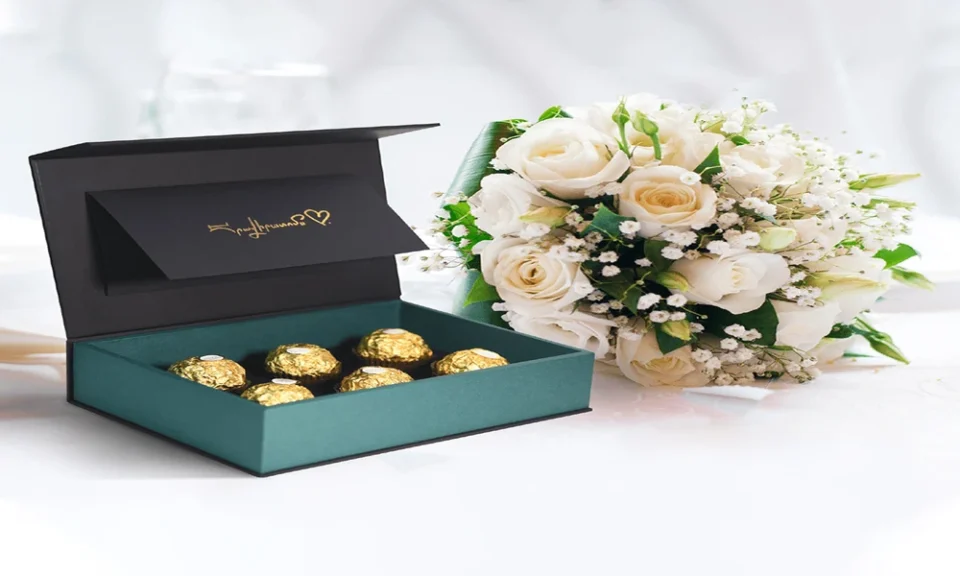
Premium chocolate is more than a sweet snack. From carefully selected cocoa beans and refined recipes to hand-finished truffles and seasonal collections, high-quality chocolate is often created to provide an experience rather than simply satisfy a craving. The packaging surrounding it should reflect the same level of care.
For chocolatiers, confectionery brands, and specialty food retailers, packaging has several jobs at once. It protects delicate products, supports presentation, communicates quality, and shapes the customer’s first impression before the chocolate is even tasted. This is why rigid packaging has become increasingly common for premium chocolate collections.
Premium Chocolate Needs More Than Basic Packaging
Chocolate may look durable, but many premium products are surprisingly sensitive. Truffles, pralines, filled chocolates, molded pieces, and decorated bonbons can easily be scratched, cracked, or displaced during transportation.
Temperature and humidity are important considerations, but physical protection matters as well. A package that bends or compresses can damage carefully arranged chocolates long before they reach the customer.
A well-designed rigid chocolate box provides a strong outer structure that helps protect the contents from pressure and impact. Compared with lightweight folding cartons, rigid boxes generally maintain their shape more effectively, making them suitable for premium assortments and gift-ready chocolate products.
Rigid packaging can also accommodate custom inserts that hold individual chocolates securely in position. These inserts may be made from paperboard, molded pulp, food-safe plastic, or other materials selected according to the product and presentation requirements.
Packaging Shapes the First Impression
Consumers often experience premium chocolate in stages. First they see the package, then they open it, and finally they taste the product.
That sequence means packaging becomes part of the food experience itself.
A well-made box can create a sense of anticipation through details such as a textured surface, carefully selected colors, foil stamping, embossing, magnetic closures, ribbons, or precisely fitted lids. These features do not change the flavor of the chocolate, but they can strongly influence how customers perceive the product.
For gift chocolate especially, presentation is often almost as important as the confectionery inside. Customers buying chocolate for birthdays, holidays, weddings, corporate gifts, or seasonal celebrations usually expect packaging that feels ready to give without additional wrapping.
How Packaging Options Compare
Different chocolate products require different packaging structures. The best choice depends on price positioning, distribution method, quantity, and the intended customer experience.
| Packaging Type | Protection | Presentation | Common Use |
| Folding Carton | Moderate | Simple to premium | Everyday chocolate bars and boxed candy |
| Rigid Box | High | Premium | Truffles, pralines, luxury assortments |
| Tin Box | High | Distinctive and reusable | Seasonal and collectible chocolates |
| Paper Pouch | Low to moderate | Casual | Chocolate pieces and snacks |
| Wooden Box | High | Luxury or specialty | Limited-edition and high-value gifts |
There is no single package that works for every chocolate product. A small artisan collection may need a completely different structure from a supermarket chocolate bar or a large corporate gift assortment.
Structure Matters as Much as Decoration
Premium packaging is not only about printing attractive graphics on the outside. The structure of the box affects how easily it opens, how securely it closes, and how the chocolates are displayed.
Some luxury chocolate brands prefer hinged boxes or magnetic closures, while others choose lift-off lid structures for a more traditional presentation.
A two piece rigid box, for example, uses a separate lid and base. Its straightforward construction creates a clean appearance and allows the lid to be lifted slowly to reveal the chocolates underneath. This structure works particularly well for assortments arranged in trays because the entire selection becomes visible once the lid is removed.
The depth of the base, thickness of the board, lid fit, and internal insert should all be considered during packaging development. Even small differences in these dimensions can affect how premium the finished package feels.
Packaging Can Reinforce Brand Positioning
Chocolate is a highly competitive category. Many products share similar flavors, ingredients, and formats, so visual identity becomes an important way for brands to distinguish themselves.
Packaging can communicate whether a chocolate brand is traditional, playful, environmentally conscious, artisanal, minimalist, or luxurious. Materials, typography, colors, finishes, and box construction all contribute to that message.
For smaller chocolatiers, thoughtful packaging can also help create a more established appearance without changing the product itself. When customers encounter consistent branding across the box, insert, label, and product presentation, the overall experience feels more deliberate.
Sustainability Is Becoming Part of Premium Packaging
Luxury does not necessarily have to mean excessive packaging. Food brands are increasingly looking for ways to balance presentation with environmental considerations.
This may involve using responsibly sourced paper, reducing unnecessary plastic components, choosing recyclable inserts, or designing boxes that customers are likely to reuse. A durable chocolate box, for example, may later be used to store small objects rather than being immediately discarded.
However, sustainability decisions should still account for food protection. Packaging that uses fewer materials but fails to protect the chocolate may ultimately create more waste through damaged products.
The Package Should Match the Chocolate
Premium chocolate requires careful attention at every stage-from ingredient selection and tempering to molding, filling, decoration, and storage. Packaging should be treated as the final part of that process rather than an afterthought.
The most effective chocolate packaging protects the product while reinforcing the experience the brand wants to create. For everyday products, simple packaging may be entirely appropriate. For premium assortments and gifts, however, stronger construction and more considered presentation can make a meaningful difference.
When the quality of the box reflects the quality of the chocolate inside, packaging becomes more than a container. It becomes part of how the product is presented, remembered, shared, and enjoyed.
