
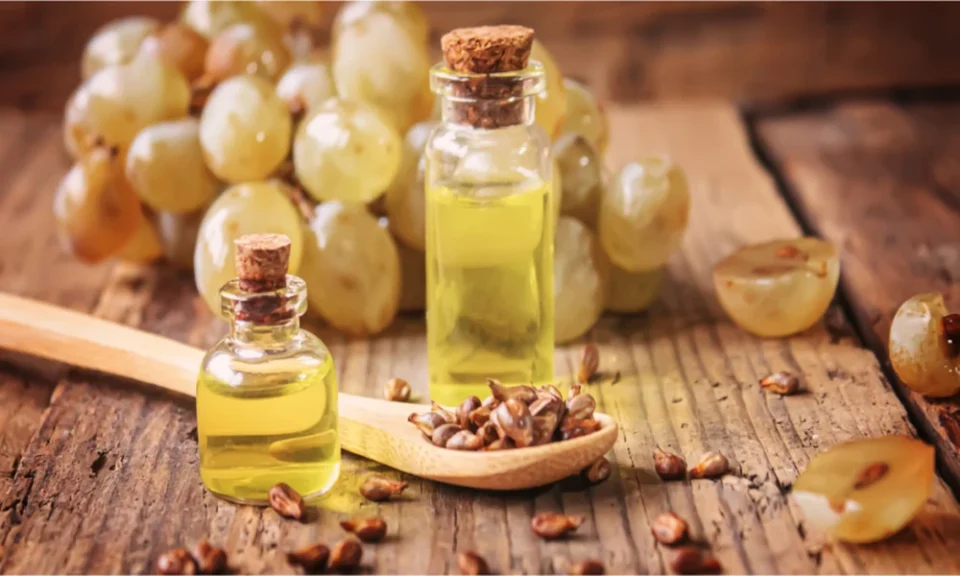
Cooking oil is such a common part of everyday food that it is easy to forget how much processing takes place before it reaches a bottle. Whether the oil comes from palm fruit, soybeans, sunflower seeds, rapeseed, or peanuts, the basic goal is similar: release the oil stored inside the raw material, separate it from solids and moisture, and prepare it for further refining or use.
The exact process, however, depends heavily on the crop. Fruits, seeds, and nuts behave differently during crushing, heating, pressing, and separation, which is why edible oil production cannot rely on one universal method.
Different Raw Materials Require Different Processing
Oil-bearing crops store oil in different parts of the plant. Palm oil, for example, is extracted mainly from the fleshy mesocarp of the oil palm fruit. Soybean, sunflower, rapeseed, and peanut oils are extracted from seeds or kernels.
This difference affects almost every processing step.
Palm fruit must be processed relatively quickly after harvesting because fruit quality can deteriorate and free fatty acid levels can rise during prolonged storage. Seeds such as sunflower or rapeseed are generally easier to store, but they still require proper cleaning, moisture control, and preparation before extraction.
Typical edible oil raw materials include:
- Palm fruit
- Soybeans
- Sunflower seeds
- Rapeseed or canola
- Peanuts
- Cottonseed
- Sesame seeds
- Corn germ
Each material has its own oil content, fiber structure, moisture level, and mechanical strength. These characteristics determine how the raw material should be prepared before oil extraction.
Cleaning and Raw Material Preparation
Before oil can be extracted, unwanted materials such as stones, dust, stems, metal particles, and damaged seeds need to be removed.
For seed-based oils, preparation may also include dehulling, cracking, flaking, grinding, or conditioning. Breaking the material into smaller particles increases the available surface area and helps release oil during pressing or solvent extraction.
Temperature also plays an important role. Moderate heating can soften plant tissue, reduce oil viscosity, and improve extraction efficiency. Excessive heating, on the other hand, may negatively affect flavor, color, or nutritional quality.
Good preparation therefore aims to make oil easier to extract without unnecessarily damaging the raw material.
Mechanical Pressing: One of the Oldest Extraction Methods
Mechanical pressing remains one of the most widely used methods for producing edible oil.
A screw press gradually compresses prepared material inside a chamber. As pressure increases, oil is forced out through openings while the remaining solids leave the machine as press cake.
This process is commonly used for peanuts, sunflower seeds, rapeseed, and many other oil-bearing materials. It is relatively straightforward and can be used in both small-scale and industrial production.
The amount of oil recovered depends on several factors, including:
- Raw material oil content
- Moisture level
- Feed temperature
- Particle size
- Pressing pressure
- Equipment condition
- Feed consistency
The press cake normally still contains some residual oil. Depending on the crop and production scale, manufacturers may use additional pressing or solvent extraction to recover more of it.
Palm Oil Requires a Different Processing Route
Palm oil production is somewhat different because the oil is extracted from fresh fruit rather than dry seeds.
Fresh fruit bunches, often called FFB, first undergo sterilization using steam. This treatment helps loosen the fruits from the bunches and prepares them for later processing.
The sterilized bunches are then sent to a thresher, where individual fruits are separated. After that, the fruits enter a digester. Mixing and heating break down the fruit pulp and release oil-bearing cells before mechanical pressing.
A typical palm oil process includes:
- FFB reception
- Sterilization
- Threshing
- Digestion
- Screw pressing
- Oil clarification
- Moisture removal
- Storage
Because these stages must work together, commercial mills often work with an experienced palm oil machinery manufacturer when designing or expanding a processing line. Matching the capacity of the sterilizer, thresher, digester, press, and clarification system helps prevent bottlenecks and unnecessary oil losses.
Solvent Extraction for Higher Oil Recovery
Mechanical pressing does not always remove all the available oil from seeds. Large industrial plants may therefore use solvent extraction, particularly for materials such as soybeans.
In this process, a solvent dissolves the oil remaining in prepared flakes or press cake. The oil is then separated from the solvent, which can be recovered and reused within the system.
Solvent extraction can achieve high oil recovery, but it requires more complex equipment and strict control of temperature, solvent handling, and plant safety.
For smaller food processors, mechanical pressing may be more practical because of its simpler process design and lower system complexity.
Separating Crude Oil From Impurities
Oil leaving a press is not immediately ready for bottling.
Crude oil may contain fine solids, moisture, gums, pigments, free fatty acids, and other naturally occurring components. Depending on the final product, the oil may undergo settling, filtration, clarification, degumming, neutralization, bleaching, deodorization, or other refining steps.
Palm oil mills, for example, must separate oil from water and suspended solids after pressing. Effective clarification improves oil recovery while reducing impurities in the crude oil.
A reliable food processing equipment supplier should therefore consider not only the extraction machine itself but also the upstream preparation and downstream separation stages.
Quality Starts Before the Oil Is Extracted
Oil quality is strongly influenced by raw material condition and processing control.
Freshness, moisture, temperature, storage time, contamination, and exposure to oxygen can all affect the final product. Poorly stored seeds may develop unpleasant flavors, while delays in processing harvested palm fruit can contribute to quality deterioration.
Manufacturers therefore need to control the complete chain rather than focusing only on extraction pressure or machine capacity.
In practice, good edible oil production is a balance between oil recovery and product quality. Extracting a slightly higher percentage of oil offers little benefit if excessive heat or poor handling damages the final product.
Final Thoughts
Producing cooking oil may look simple from the outside, but different crops require very different processing strategies. Palm fruit needs sterilization, threshing, digestion, and pressing, while oilseeds such as soybean, sunflower, rapeseed, and peanut depend more heavily on cleaning, size reduction, conditioning, and mechanical or solvent extraction.
The most effective production process starts with understanding the raw material. Once processors know its moisture level, oil content, structure, heat sensitivity, and required production capacity, they can select a processing route that balances oil recovery, product quality, energy consumption, and operating cost.
From freshly harvested fruit to dry seeds and nuts, the path to cooking oil may vary, but the principle remains the same: careful preparation and controlled extraction are the foundation of consistent edible oil production.
